
Generational Harm: 13 Adult Attachment Sexuality Healings
Updated: June 7, 2026
Our beloved society is shaped by interconnection. So, as we prepare to vote, it is imperative to consider the roots of what makes up societal attachments. The ways we connect to others in adulthood—whether through romantic relationships, friendships, or community bonds—is deeply shaped by our attachment tendencies. Adult attachment, the pattern in which we relate to others often based on early-life and other significant experiences, is frequently influenced by harm and trauma passed down across generations, also sometimes known as generational trauma. Painful dynamics can affect everything from how we engage intimacy and sexuality to the gender roles we adopt, leaving a significant impact on our ability to connect authentically and recover amidst bonding. So, whether you’re exploring adult attachment issues like adult disorganized “butterfly” attachment tendencies or looking for guidance on recovering after heartbreak of all kinds, understanding these dynamics is essential.
Generational harm in families is learned through what we call in DBT, ‘Social Learning Theory’ — in this context — it would often be behaviorally described as role modeling learned invalidation as a way of coping—showing how harm can interfere with our understanding of reality, our accurate expression and influence relational behavior. This learning is often linked to mental health struggles, relationship challenges, and disconnections from one’s body and authentic emotional-sexual self. Trauma generation, which involves learned self-talk that cues pain as well as societal conditioning around gender roles and sexuality, reinforces disconnectedness and emotional isolation. Recovery pathways are within reach, if our recommended recovery journeys are sought out with a willingness to commit with steady devotion.
DBT PE “inspired” + DYT | D-Sola. Sexuality. Voter’s Support.
For a wise-minded article packed with emotional intelligence, we explore Trauma Generation: 13 Adult Attachment Sexuality Healings drawn from dialectical perspectives on stage 1 DBT therapy (Dialectical Behavioral Therapy) + stage 2 DBT PE (Prolonged Exposure) Protocol. Further, Sarah Greenwood’s (DBT of Charleston’s director development) of one stage 3-4 approach she calls both DYT (Dialectical Yoga Therapeutics) lifestyle, and D-Sola (Dialectical-Sustainability of Love Alliance) communities.
Her/box free stage 3-4 approach active since 2014, offers an ongoing refinement for graduates of DBT Program -and- DBT PE “inspired” PUBLIC education. D-Sola + DYT lifestyle is a mental health activism movement to help create transformation linked to generational harm in our environments. Therefore, after reading the post thoroughly we offer you a simple, skillful plan to help create EASE around related voters’ stressors- so you can be part of the solution with increased hope as a motivating foundation.
Each Trauma Generation: 13 Adult Attachment Sexuality Healings shared below is also designed to help you address attachment anxiety connected to day-to-day relationships and sexuality, as vital creative “prana” (Sanskrit for vital force / energy) moving through your system.
1. Societal Adult Attachment: Gender +2024-2028 Elections
By understanding the four adult attachment style leanings and how they play out in your life from a DBT frame, you’ll be able to navigate adult relationships more mindfully. Along the way, you’ll also learn how to take actions to help break free from the legacy of generational harm—whether it’s a seemingly invisible passing down from family, societal trauma, or cultural oppression that limits self-expression and connection.
If you read through to the end, you’ll discover practical tools for repairing your relationship with yourself and others, exploring the nuances of gender and fluidity, and reclaiming a more authentic, liberated sense of sexuality. Our journey can lead to profound shifts in how you experience intimacy, empathy, and community bonds, while also paving the way for collective pro-social action and related healing.
Whether you’re seeking to recover from a layered broken heart, confront the limiting gender stereotypes handed down to you, or delve deeper into attachment related breakthroughs, this article provides the foundation to begin or deepen your transformation. It even may get you thinking differently about your voting “lens”, as you consider candidates alike who will affect these matters in our personal lives.
Environmental influences impact mental health, equal opportunities and our relationship functionality in significant ways. Remember to register to vote NOW to avoid the many obstacles that can arise if you wait. Also, quick and effective time management strategies, along with “cope ahead” and ”reward system” tips in this article support skillful voter’s savviness as we enter our next seasons. Tips are shared to help organize personal voter’s proactivity, even if you’re demotivated, uninspired and/or super overwhelmed. Trust us, you are not alone in this, we’re navigating many of those feelings and energetic drops with you. Let’s do this together.
2. Causes of Intergenerational Trauma: How it Affects Families, Society’s Systems and Political Freedoms
Harm and trauma, whether experienced directly or witnessed, has a profound and lasting impact that can reverberate through generations. This intergenerational passing of trauma is a complex and often overlooked phenomenon that calls for deeper examination so we can organize discerningly.
At the heart of the issue shown here in Trauma Generation: 13 Adult Attachment Sexuality Healings lies the way in which trauma alters the psychological and neuroconnective functioning of individuals, shaping their worldview, coping mechanisms, and patterns of behavior. These changes can then be passed down and unaddressed, explicitly through learned behaviors and implicitly through cognitive structuring, creating a legacy of pain and suffering that extends far beyond the initial traumatic events. This is often referred to as a mix of trauma symptoms and traumatic invalidation.
The intergenerational impact of trauma is not limited to a single family or community; it can have widespread societal implications, influencing cultural norms, social structures, and yes, political dynamics. It can get us bypassing important considerations of perpetration when considering leadership options on polls. Understanding the mechanisms by which trauma is passed down across generations is crucial for developing effective interventions and fostering collective recovery and wellness.
3. What Are the 5 Key Symptoms of Intergenerational Trauma? Psychological and Emotional Effects
Of Trauma Generation: 13 Adult Attachment Sexuality Healings
The psychological and emotional effects of trauma generation can be profound and far-reaching. Children of trauma survivors often struggle with a range of issues, including heightened anxiety in adult attachment struggles, hyper-vigilance and emotional numbing, and difficulty regulating their emotions. Symptoms can then lead to a sense of emotional fragility expressed by dismissiveness and a persistent feeling of being “on edge,” like the original trauma is ever-present and ready to resurface at any moment.
Furthermore, the intergenerational transmission of trauma can result in a distorted sense of identity and self-worth. Survivors may internalize the belief that they are inherently flawed and/or blame-worthy, and this perception can be passed down to their offspring. This can manifest in a range of issues, such as low self-esteem, difficulty forming effective relational dynamics, and a propensity for engaging in self-destructive behaviors.
Emotional tolls of generational harm can also have a significant impact on loved ones and family dynamics in interpersonal relations. Survivors may struggle to trust others, leading to a breakdown in communication and intimacy within the family. In turn, this can create a cycle of emotional distance and disconnection, further compounding the effects of the trauma and its isolation.
4. How Does Generational Trauma Impact Physical Health?:
DBT PE Education and DYT Dialectics of Energetics and Physiological Well-Being
The impact of trauma generation extends beyond the psychological and emotional realm, often manifesting in physical health consequences as well. Traumatic invalidations like denying a survivor’s reality, emotional neglect and controlling behavior to the oppressed/people desiring to recover from complex traumas play a significant role in deepening traumatic harm. Numerous studies (e.g. UCLA study) have demonstrated a link between childhood and/or teen+ trauma and an increased risk of developing a range of chronic physical conditions, such as cardiovascular disease, diabetes, and autoimmune disorders. Stress from complex trauma can aggravate any pre-existing physical conditions as well, even under regular life stressors.
Biological and nervous system mechanisms underlying this connection are complex and multifaceted. Trauma can cue a cascade of physiological responses, including the activation of the hypothalamic-pituitary-adrenal (HPA) axis and the sympathetic nervous system. This sustained stress response can lead to inflammation, hormonal imbalances, and impaired immune function, all of which can contribute to the development of physical health problems. Suffering like this underscores the importance of addressing the physical health consequences of trauma generation, as the effects can persist and even intensify over time.
So, we encourage you to get involved and apply inspirations from this blog, Trauma Generation: 13 Adult Attachment Sexuality Healings to your every day life.
5. How Does Trauma Affect Social Development?:
Societal Implications of Developmental Trauma Generation
Certainly, the impact of trauma generation extends far beyond the individual and familial level, reaching into the broader societal fabric. Unresolved trauma can contribute to the perpetuation of cycles of violence, social inequalities, and systemic oppression, creating a complex web of interconnected challenges.
In communities and populations that have endured collective trauma, such as sexual minorities (LGBTQ+), ethnic minorities, indigenous groups, or war-torn regions, the intergenerational transmission of trauma can manifest in the form of social unrest, political instability, and the erosion of social cohesion and trust. Distrust can lead to the perpetuation of cycles of marginalization, discrimination, and the entrenchment of power structures that perpetuate the complex trauma. Perpetration of complicated trauma also increases emotional protective symptoms that induce physical sufferings mentioned above.
Moreover, the societal implications of trauma generation can also be seen in the strain placed on public institutions and resources, such as healthcare, education, and social services. Increased demand for mental health and social support services, as well as the economic costs associated with chronic health conditions, can place a significant burden on these systems, further exacerbating the challenges faced by trauma-affected communities. Due to this, it’s time we receive wisdoms that you can tangibly build into your daily life drawm from Trauma Generation: 13 Adult Attachment Sexuality Healings
6. What is Generational Trauma Healing?
How DBT Inspirations, D-Sola and DYT Lifestyle Can Help
Despite the profound and far-reaching impact of trauma generation, there is hope in the potential for healing and resilience. Recognizing the intergenerational nature of trauma is a crucial first step in breaking into cycles and fostering collective recoveries.
Resilience, in the context of trauma generation, refers to the ability of individuals, families, and communities to adapt, grow, and thrive in the face of adversity. Resilience is both something we’re born with and yet it is also a rather dynamic strength that can be cultivated and nurtured through structured, evidenced interventions and support systems. Many are exhausted from having to be so resilient, and while valid, ‘turning our minds’ in that direction is essential for the hope of societal well-being.
Key to this process is the acknowledgment of the trauma and the creation of safe(r) spaces for individuals and communities to engage in the journey towards increased protection, wellness and peace. Recovery in safe(r) spaces may involve a range of approaches, and our DBT Ed., DBT PE inspired D-Sola School and DYT lifestyle gold-standard mindfulness practices are community-based initiatives that promote social alliance from a ground of mental heatlh initiatives and collective empowerment to move us to action.
7. What are the Principles of Collective Trauma Healing?
Remember what connects us. Food, music, loving compassionate touch, music, understanding, nature curiosity, kindness, respect, movement, cultural appreciation, dance. Addressing the intergenerational impact of trauma requires a multifaceted approach that encompasses a range of therapeutic interventions. One such approach is family systems therapy, which recognizes the interconnected nature of harm within the familial and relational units and seeks to facilitate healing through a holistic, systemic lens.
Keep an eye out as we go, D-Sola will launch more with DYT lifestyle as a powerful initiative intended to bring communities together. Collective healing is stoked by getting us reconnected to our bodies-minds-hearts at transformative levels. Seeing wisdom in one another, naming our complementary strengths, giving love and being received with ‘radical acceptance’. Also, learning constructively and reconnecting as communities who care about humanity, well-being of our animals, our worlds and environments at large.
8. How to Help a Community Amidst Societal Trauma?
Addressing the intergenerational impact of trauma requires a multifaceted approach that expands beyond confidential clinical intensive outpatient treatment programs and private therapy. Community-based initiatives that foster collective prevention, recovery and resilience are essential for breaking the cycle of trauma transmission and taking large strides towards functional change.
One such initiative is Sarah’s creation of a ‘life worth loving’ and inspiring each other to live that out fully, while sustaining actions for a ‘life worth living’ as our foundation. Pop culture talk and training on trauma could benefit from substantially deepening education on evidenced-oriented paths to trauma recovery. Because we go extremely deep with top trained gold standard psychology at our fingertips, Sarah Greenwood DBT-LBC (DBT-Linehan Board of Certification, Certified Clinician™) and yoga therapist specializing in minority C-PTSD and gender liberation + sexuality calls this “inspired education” to be discerned from “informed”. (‘Trauma- informed’ approaches often do not require much training in trauma information to use this name.) “Inspired” is a word Sarah uses next to education she offers publicly to flag folx that it comes from well into two decades (and often three decades, depending on the topic) of her extensive study and modality training in evidenced-based outcomes. “Inspired education” also discerns from clinical therapy. D-Sola and DYT are therapeutic in nature, yet they are not clinical therapy.
Another powerful approach is the promotion of cultural and ancestral practices that can help individuals and communities reconnect with their roots and find meaning in the face of adversity. Unless we have indigenous roots, we often find ourselves at our homes today as a result of long immigrant lines. Being connected to one’s roots helps us to increase empathy for a multicultural fabric that makes up both our immediate landscape and our world. Honoring and celebrating our roots may include the revitalization of traditional healing rituals, arts (theater, music, dance, film, culinary), storytelling, and the preservation of cultural heritage, all of which can serve as a source of strength, pro-active guidance, hope and resilience in the face of trauma generation.
9. The Role of Education and Awareness in Recovery During Trauma Generation:
DBT + DBT PE Education, DYT Clarification and D-Sola Community Transformation
Addressing the intergenerational impact of trauma requires a multi-pronged approach that includes not only therapeutic interventions, yet also a concerted effort to raise awareness and educate the broader public. By fostering a deeper understanding of the mechanisms underlying trauma generation, we can create a more empathetic and supportive environment for those most significantly affected, in turn increasing authentic connection.
One key aspect of this educational initiative is the incorporation of “inspired education” for all regular community members, as well as community leaders, weaving into curricula in schools, organizations and educational institutions. We do this by normalizing sharing about mental health and skills D-Sola and DYT will teach on human-to-human levels. Widespread approaches reflect values of D-Sola to create lives worth loving (anchored first inside sustaining and restoring building blocks of ‘lives worth living’), as it recognizes the prevalence of trauma in the lives of regular people, leaders and students. Acknowledgment at this level, equips all of us as self-educators, mindful with the knowledge and tools to create learning environments in all of our exchanges possible, so that we are sensitive to the reality that trauma-affected individuals are all around, in our daily exchanges, even when we don’t realize it.
Additionally, public awareness campaigns and community dialogues can play a crucial role in de-stigmatizing the discussion around complex trauma and its present societal and intergenerational effects. By encouraging open and honest conversations centered in non-judgmental accurate expression, we can nurture a sense of collective responsibility and empower individuals and communities to engage in healing pathways together. Moving towards a collective healing response – ability to support adult attachment needs for authentic compassionate societal relating and pro-social active organizing.
Connectively, the intergenerational impact of trauma is a complex and multifaceted challenge that requires a comprehensive and collaborative approach. By understanding the mechanisms by which trauma is passed down across generations, we can develop more effective interventions and foster a collective vital response.
Community Leadership Roles
Our journey towards recovery and resilience must involve a range of stakeholders, from mental health professionals and community leaders to policymakers and educational institutions — along with our basic day-to-day human relating. Through willingness to show our humanness and true emotions (sad, afraid, loving feelings, pain, etc.), we can create the possibility for a more supportive and empathetic environment that empowers individuals and communities to confront the legacy of trauma and pave the way for a brighter, more equitable future.
As we move forward, it is crucial to remember that the path to healing interconnectively is not linear, yet rather a continuous experience of growth, increased awareness, and collective action. By embracing this challenge with compassion, determination, and a deep commitment to understanding, we can break cycles of trauma generation and ignite a caring transformative response that reverberates through the generations to come.
My Path “Bit” + Political Guidance to Reduce Stress
I step out of my writer role now for a moment, to speak directly to my communities. My motivation to do this is due to finding sharing personal experience- human-to-human, is central in spreading healing that comes from personal sharing. There’s nothing quite like it, we know through lived experience and a plethora of research.
For me, (Sarah, director of DBT Charleston), coming to terms with my intergenerational +complex trauma meant more fully claiming myself in my own freedom. Witnessing how gender had influenced my upbringing and shaped my existence in the world, was and is a painful and liberating awakening. Furthermore, multisexuality, bisexuality, pansexuality are all distinct terms~ perhaps, most notably, omnisexuality is the most unique and misunderstood of all those on the multi-sexuality spectrum. I myself, most simply identify as an ever-realizing human who is box free.
Additionally, I feel especially protective over my freedom to love whoever I love, construct my sense of family to reflect my wisest values and sustain my right to choose when my body is involved, and, my right to assert my no.
10. My Long Path Transformed into a Professional Calling:
Awakening Awareness of our Cycles that Block Connection
My professional journey in treating gender violence started near 25 years ago. This was when I trained as a volunteer at a local to Charleston non-profit to become a survivor advocate for people just after they were traumatized by rape and/or sexually assault. Statistics show that LGBTQ+ people (adults & youth, who are disproportionately targeted by rape, abuse and gender violence) are also significantly more likely to engage in self-harming, severe substance abuse and suicidal behavior, due to the depth of minority suffering and emotional pain. After my decades of professional experience, it is apparent these spikes in both being targeted and facing complex life-threatening symptomatology are linked to development of C-PTSD symptoms from harmful environmental influences.
In my work now as a clinical mental health counseling C-PTSD specialist +yoga therapist focused on gender and sexuality, I have treated countless cases over the past 15 years where rape was a central theme. Rape most commonly is instigated by someone we know and trust. And since I treat complex trauma, I often treat rape, emotional harm, physical abuse incidents and suicidality (due to the long-term aftereffects of the gender violences) all in one case. These cases are frequently lgbtq+ folx who I also treat for traumatic invalidation from ongoing neglectfulness and discriminations from society (including from trusted, well-meaning family and loved ones).
Okay, I’m going to take a brief detour here and then we’ll come right back around. One time, I was in an ‘outside-of-work-life’ peer acquaintance dynamic, where a white cis male (on a separate but relevant note: I have also professionally treated many from this population) was working on his personal recovery from his perpetration onto another. My memory distinctly recalls him saying about his corporate punishment, “all this punishment for something I did in one night.” My visceral reaction to this statement was strong. Besides the LGBTQ+ community, guess who is also widely targeted for rape and abuse?
Boys.
Cis boys who also learn that’s how to relate sexually are often harmed first before spreading harm. And I thought, this guy is likely in such painful denial of his own life experience and trauma- whether he was raped, hit, sexually assaulted or simply untouched with real affection, he is unaware of the long-term impacts that many survivors battle after ‘the night so many want to take back’. Dissociation- severe emotion numbing to the point of disconnecting with reality, is a common symptom of trauma and we have high statistics on rape trauma in the United States.
Many people don’t get treatment, so widespread emotional numbing is something that impacts many intimate relationships and the sexuality that occurs in them. These impacts then further spread to community (dis)connection and seep into policies or the bypassing thereof. And guess where else emotional numbing and “checking out” shows up? In the dating world and in our homes with our partners and families, along with in our relationships to ourselves.
We either increase directly addressing our feelings from generational harm together and find supportive resources to help us do so effectively, or it comes out blindly in our relationships in other painful ways. If we don’t hold emotional pain and harmful impacts together skillfully and willingly, it formulates into more passing of generational trauma. Otherwise, we can come together to agree to increase facing our discomfort and holding people accountable. Accountability of family members, partners, community members set a precedent.
Who else?
LEADERS need significant accountability- remembering our leaders “stage” role-modeling for the masses on what’s “allowable”.
11. The Role of Loved Ones’ Responses in Successful, Long-term Recovery
Surprisingly, even with severe trauma(s), the most painful aspect of trauma treatment is often the community, loved ones and family response (and lack thereof) to the survivor’s long traumatic experiences. Emotional neglectfulness, avoidance of acknowledging a survivor’s pain, and disregard for the reality of painful complex post traumatic stress symptoms that often continue to flair up pervasively for extensive durations, perpetuating obstacles to feeling connected and supported when it is most needed for interpersonal healing. So survivors often become alienated and isolated and turn to “relationship avoidance/or hopping”, excess work, intense sex, checking out on screens and/or substances as escape from being on a metaphorical island from their loved ones’s needed support.
Ostracism becomes the next level of complex harm and leads the survivor to compulsively question what they are doing “wrong” that many around them seem immensely withdrawn. Or hard to emotionally access. Self-blame for rape and abuse is an all too common way of coping with the depth of powerlessness survivors experience. With loved ones out of reach, survivors then start picking themselves apart, trying to dissect how to “win love.”
Many survivors become master fawners (aka people pleasers), pathologically appeasing those around them with excessive accomodations- bending to others needs in relationships becomes a deep form of self-denial of one’s own needs. People around mindlessly benefit from these ‘fawning’ trauma responses without even realizing it. Still, the risk of not attending to one’s own needs is often suicidality and sometimes homicidality too, so we need to look at the cycle publicly all together to address it. Aren’t these issues the ones you are seeing widespread in society? Then we need to attend to the root if we want change.
Therapists treating clients, as important as that is to continue, are not enough for what is happening in our society and when relational bonds around the survivor could significantly help, if they were further educated, then all of us doing this together somehow makes sense for overall increased mental health in the middle of societal crises. And when survivor’s loved ones have benefited from getting many of their attachment needs met often at the expense of a survivor’s significant need for help with balance, they unknowingly become ‘entitled’, as reflected in behavior science strategies of ‘shaping’, ‘reinforcement’ and ‘natural consequences’.
So when survivors learn to start advocating for themselves in C-PTSD treatment programs, using assertiveness skills to stand up for their needs, they are often me with significant ‘push-back’ reactions from their loved ones. Each well-meaning direction the survivor turns they may experience being cornered into a ‘desperate connection’ or ‘detached independence’ of emotional starvation and environmental harm, much like a pin ball machine keeps firing back the ball. Helpless, this cycle can go on for years, decades, even centuries. Hence, the birth and continuation of intergenerational harm and trauma.
Let’s break out of this perpetual spread.
Loved Ones’ Resistance, how it makes sense, even though it interferes with Long-term Recovery
Loved ones often do not want to feel the pain of their beloved survivor, nor their own pain of shame, guilt, anger, despair and humiliation of not being more of an active supporter all these years. Possibly because of their own unexamined intergenerational harm or trauma and generational attachment wounds have left them rather inaccessible. To even themselves. Since they often have both adapted to and benefited from survivors revolving around their emotional and connection needs in bonds, they can even become emotionally (and sometimes physically) harmful themselves. A deep desire to not face the truth themselves and how it may change their own reality awareness, they continue to invalidate the survivor as treatment is building with emotional regulation and assertiveness skills being effectively practiced.
Traumatic invalidations like this are ongoing and frequent; research shows on average 70 invalidations/micro-aggressions occur daily and throw off minorities’ C-PTSD survivors’ emotional baselines by cueing their trauma responses. They then exhaust themselves working hard to (if in C-PTSD recovery) use skills to come back to stability over and over, just to get through the day in maintaining some self-connection and functionality.
Through reinforcement, loved ones have intrinsically, often without awareness) learned that they can avoid pain themselves by keeping the survivor in a certain position in the relationship~ and the survivors’ extreme accommodations have often felt more “convenient” and “supportive” to loved ones’ needs, so loved ones may alienate and neglect further in order to keep the status quo as is.
Meanwhile, the survivor’s trauma has become significantly layered, along with super miserable symptoms that significantly pronounce their emotional, relational and even physical and physiological pain symptoms at astronomical levels. The load survivors carry is horrific and hauntingly invisible to our family systems, communities and larger societies. Yet, it is hardly invisible when it comes out as homicidality and suicidality in our society.
We can’t ignore it then.
12. Trauma Generation Applicability to Politics and United States 2024-2028 Elections
Connectively, we are now looking to make decisions around state-by-state and United States nationwide leadership again, while knowing well that we have the option to turn a blind eye to convicted rape representing leadership, and a long list of atrocities to our humanity and democracy. Turning a blind eye to this and doing nothing would be a way of reinforcing this cycle. We have much to consider and do as we prepare for the next opportunities to fill out our voter ballots. The right to love who we love and have freedom in the choices that construct our family lives and who makes up our societies have steadily been targeted and are also at continuous stake. Abuse of our feminine producing lands and oceans through climate change harms (that we’re living horrors of from Southeast hurricanes and west coast fires (for ex.)) are another CRUCIAL discernment for wise-minded voting.
If we excuse rape (and I just gave you a tip of the ice burg of its impact generally, and specifically on LGBTQIA2S+ people (see lgbtq+ presidential allies)), then let’s question how in touch we are with empathy.
Have we lost touch with the quality that connects us most to each other? How?
Mindlessly turning against each other when that’s what weakens us, a lack of trusting emotion, sensory experience and giving emotional wisdom and relational openness a fuller chance. Still, emotions expressed well can lead to increased wise-mindedness and understanding. Low effectiveness in interpersonal skills, UN-mindfulness. DIS-compassion and APATHY create distance.
Empathy, FEELING and active compassion in being part of breaking cycles of generational harm is the ‘real’ richness of restoring humanity and peaceful pro-active connection.
13. Conclusion: Voters’ Wisdom and Skillfulness
What do you need when you consider how you’re going to fill out the ballot? First, logistics (through FEELING grounded in facts) on how to manage time to REGISTER TO VOTE NOW. Obstacles arise and there are likely to be people who will benefit from time crunches- saying ‘you have too many obstacles to get registered’ after they find out your party identification. It happens. It happened to us. REGISTER NOW.
Prioritize it because you’re a FEELING human who cares and who knows caring is the stuff of infinite gold. Block off time in your schedule. Remember that to have loving, empathic communities that care about better understanding and protecting each other- IT NEEDS to be a TOP PRIORITY.
WRITE DOWN what you need to do in your calendar NOW. Take a break from Netflix, work, social media scrolling, etc. to note it right now. Now, cuz’ YOU CARE. Feeling anxiety and fear about these elections means you care- so FEEL it. Break down the ‘register to vote’ goal into small manageable tasks (long-term ‘A’ of ABC PLEASE skills from DBT). Next, block off time each day to attend to those. Block off a little more time than you think you need. Whether it is making a call to find out where to go, looking up pro-active organizations to get involved in events and phone banks or filling in your voter’s registration application ~ and/or blocking off a day to spend at DMV/wherever you register. DO IT WAY IN ADVANCE, SO THAT YOU CAN PARTICIPATE MORE FULLY and EFFECTIVELY ON THE COLLECTIVE CONVERSATION and RIDE THERE.
DO IT FOR US ALL. And for yourself and YOUR OWN WELL-BEING and SELF-LOVING action.
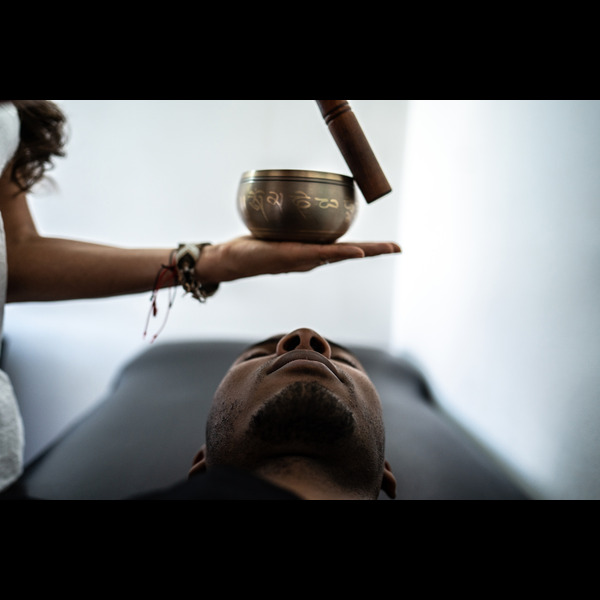
THEN. Have a REWARD plan. TREAT yourself royally for GETTING IT DONE and BEING REGISTERED TO VOTE! Pick up your FAVORITE dessert, take a long WITCHY candle lit bath to get in the spirit of the summer season and celebrate the Summer Solstice and each day the sun turns back toward the dark after with Tibetan bowls playing in the background, cuddle with your puppy or wisely cat cuddle~ or snuggle lavender filled stuffed warming owl. PLAN your REWARDS NOW in advance, it will support motivation!
Continuation of Community: Rewards and SUMMER + Autumn Support🍁
We encourage you to keep in mind inspirations gained from this blog Generational Harm: 13 Adult Attachment Sexuality Healings for now. With planned rewards applied this week (write them down) as discussed above, you can keep up joining in on our community building as you continue the reads or watch our videos, as we move on to focus next resources on staying involved while navigating stress wisely, as differences and tensions build into the Summer and then the Autumn. May our launch with the summer solstice season here lead to increased equality for the whole.
We can watch the changing colors to lush increased green leaves on our trees, to eventually see the falling leaves without changing our OWN colors ~ and this time we’ll be prepared in advance ~ doing a ‘cope ahead’ like this will actually help you live in the moment and the summer season with more aliveness. Let’s move through this time together. Devoted to humanity, love and respect for CHOICE.
Thank you for engaging compassionately as you read -and- for your care of the many people out here who saw their life experience in this post. It is time we raise our voices. We are here for this, and we (support systems, team, cats and I) are here for YOU.
~Written by DBT Charleston‘s Director, Sarah Greenwood, LPC, LCMHC, DBT-Linehan Board of Certification, Certified Clinician™